Many organizations are exploring Atlassian Cloud as a way to modernize their workflows and simplify team collaboration. But migration and implementation often require more than just switching platforms, they involve thoughtful planning, cultural alignment, and the right tools. In this article, we look at how two partners, Life in Codes and DevSamurai, support teams through both the strategic and practical sides of adopting Atlassian tools effectively.
Why Migrate to the Atlassian Cloud? Perks for Mid-Size to Enterprise Teams
As a starting point, it’s important to understand why many teams are choosing Atlassian Cloud.
Data Center vs Jira Cloud: What’s the Difference?
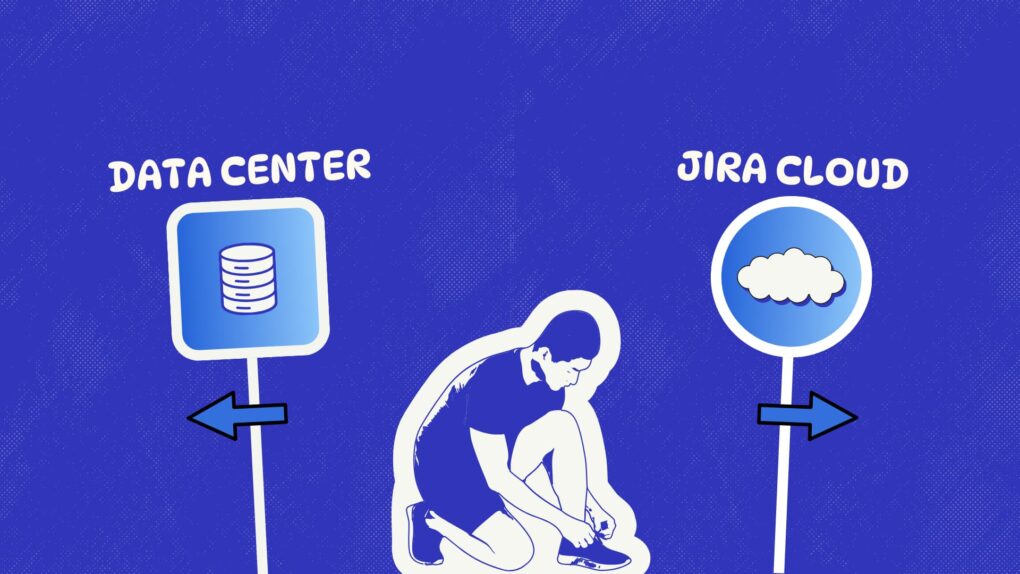
Atlassian Data Center is a self-managed enterprise deployment used for high availability and performance, hosted on your own infrastructure or cloud services like AWS. While it offers control and customization, it also requires dedicated maintenance, updates, and security management.
In contrast, Jira Cloud is fully managed by Atlassian. It includes built-in scalability, automatic updates, enterprise-grade security, and access to cloud-only features like Advanced Roadmaps and smarter integrations. For many growing businesses, Jira Cloud offers faster setup, lower overhead, and more flexibility for distributed teams.
The shift toward Atlassian Cloud has become a strategic move for organizations that aim to modernize their technology stack, reduce operational overhead, and increase agility. For mid-size to enterprise teams, the cloud offers far more than just the convenience of outsourcing infrastructure. Here are some of the core advantages teams gain:
Key Benefits:
-
Unified collaboration across teams
-
Scalable platform for growing businesses
-
Enterprise-grade security and compliance
-
Continuous innovation through automatic updates
Migrating to Atlassian Cloud empowers teams to move faster, reduce complexity, and focus on delivering business value instead of managing systems.
Building on the Atlassian Ecosystem: Operating End-to-End with Jira, Confluence, and Marketplace Apps
Atlassian’s ecosystem is not just a toolkit, it’s an integrated environment that supports every part of your organization’s workflow. Whether you’re managing a product roadmap, executing development sprints, or sharing company knowledge, the ecosystem has you covered. For example, teams can:
What You Can Do:
-
Use Confluence to set company goals, share documentation, and collaborate on strategy
-
Plan, track, and release work in Jira Software, with added visibility using Advanced Roadmaps
-
Handle IT support and service management with Jira Service Management
-
Customize and extend your workflow using thousands of Marketplace apps
By consolidating operations into a unified system, you eliminate silos, save time, and keep everyone aligned.
The Atlassian Partner Model: How Customers, Solution Partners, and Marketplace Vendors Work Together

Achieving success with Atlassian tools is often a collaborative effort. Understanding how these key players work together helps ensure smooth adoption and long-term success. This model typically involves three types of contributors:
The Players:
-
Customers: Define business goals and identify pain points
-
Solution Partners (e.g., Life in Codes): Guide migration, implementation, and best practices
-
Marketplace Partners (e.g., DevSamurai): Provide purpose-built apps to fill functionality gaps
Together, they form a support system that ensures your Atlassian setup works for your business, technically and culturally.
Life in Codes x Adore Me – A Case Study in Agile Cloud Migration

One example of this collaboration in action is the case of Adore Me. When lingerie brand Adore Me decided to migrate from Jira Server to Atlassian Cloud, they partnered with Life in Codes to guide the process.
At first, Adore Me’s engineering team, deeply rooted in a DIY, collaborative culture, was skeptical of external consultants. That changed when Life in Codes embedded into the team, joined their Slack, and delivered real-time, thoughtful guidance that respected their way of working.
The turning point came when a data center failure unexpectedly brought down their on-prem Jira. Life in Codes stepped in immediately, pivoting from a standard migration to an emergency recovery plan using CSV exports and a fresh Jira Cloud instance. This quick action helped restore team productivity within days, and once data was recovered, they synced missing elements like attachments and comments.
Beyond recovery, Life in Codes helped configure Advanced Roadmaps, map OKRs to strategy, and introduce Confluence as a knowledge-sharing platform. The team’s flexible support made Jira and Confluence truly work for Adore Me’s agile workflows.
Just as importantly, the partnership helped shift the company’s mindset toward long-term collaboration. Adore Me’s leaders describe Life in Codes as trusted partners who not only solved problems but became part of their innovation culture. Their approach showed that great tools matter, but great collaboration matters even more.
DevSamurai: Atlassian Apps for Every Business Workflow
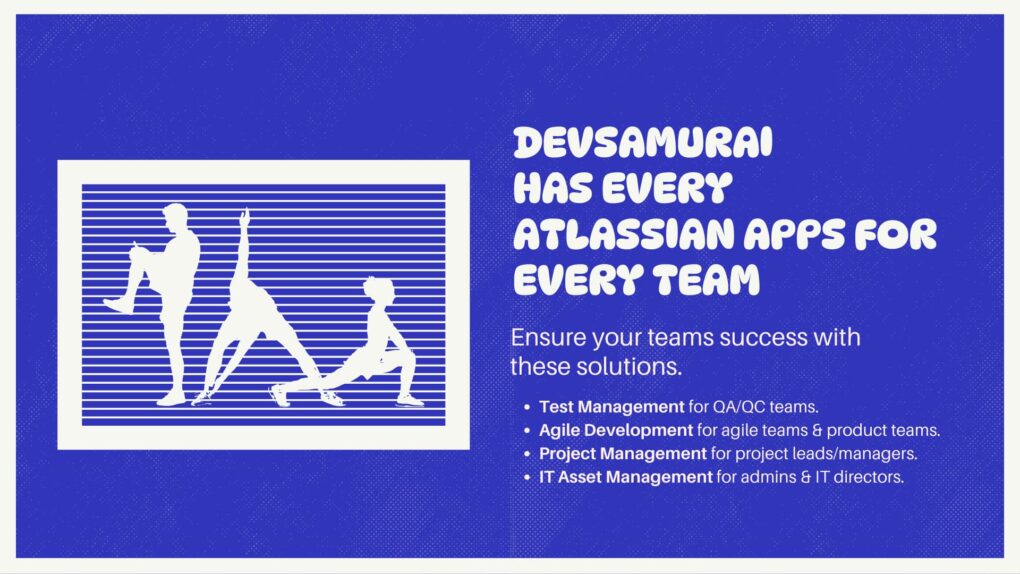
DevSamurai creates a suite of apps designed to complement and extend Atlassian tools like Jira and Confluence. These apps are not just plugins. They’re tailored solutions developed to support real team needs across a variety of industries and roles. Whether you’re a QA engineer, product manager, project coordinator, or IT admin, DevSamurai’s tools bring added flexibility, visibility, and control into everyday workflows.
1. Test Management – AgileTest
AgileTest consolidates the full testing lifecycle, manual and automated, into Jira, making test execution traceable and efficient. With features like AI-generated test cases, versioned test plans, and native CI/CD support, QA teams can focus more on quality and less on overhead. This is particularly useful for teams in finance, healthcare, or any industry with compliance and traceability requirements.
2. Agile Development – ProductGo & AgileBox
ProductGo provides a visual roadmap and planning layer directly inside Jira, helping product managers map out features, personas, and release timelines. AgileBox supports agile ceremonies, like Planning Poker and Retrospectives, within Jira itself. Together, they reduce the need for external whiteboarding or third-party tools, enabling agile teams to stay fully in sync without jumping between apps.
3. Project Management – ProScheduler, TimePlanner & GanttTable
ProScheduler enables project managers to plan and monitor resources across teams using intuitive drag-and-drop Gantt charts. Additionally, TimePlanner adds time tracking, capacity planning, and team scheduling for better visibility into workload distribution. For those who prefer spreadsheet-style planning, GanttTable gives Excel lovers a familiar interface, combining spreadsheet-style editing with dynamic timeline charts. These tools are ideal for professional services, R&D, and large-scale internal operations.
4. IT Asset Management – AssetIT
AssetIT extends Jira to manage the full lifecycle of IT assets, from laptops to software licenses, linked directly to users, projects, or support tickets. Its search, audit trail, and asset history features help IT teams reduce loss, speed up ticket resolution, and stay audit-ready.
By building on the Atlassian ecosystem, DevSamurai’s tools offer teams a natural extension of their work environment. They reduce friction, eliminate scattered systems, and let users do more without leaving Jira or Confluence, making adoption smoother and value delivery faster.
Conclusion: Building an Atlassian-Powered Future with the Right Partners
Whether you’re a fast-scaling startup or an enterprise modernizing legacy systems, Atlassian Cloud offers the tools you need to succeed. But tools alone aren’t enough.
Why Partnerships Matter:
-
Life in Codes helps you get set up the right way, fast.
-
DevSamurai fills in the gaps with plug-and-play functionality.
Together, they make sure your Atlassian ecosystem is powerful, efficient, and tailored to your needs. If you’re ready to modernize your workflows and unlock the full potential of Jira and Confluence, it’s time to start the conversation.