Written by: Wojciech Miecznikowski, Head of Atlassian from Peakforce
Key takeaways:
- The SDLC was never only about code – the work between phases is where teams reach past Atlassian’s defaults, and where Marketplace apps fit.
- The System of Work covers the backbone of the lifecycle, but no vendor meets every team’s needs out of the box.
- Marketplace apps are the phase-specific “missing pieces”, like time planning, mockups and diagrams, and planning poker.
- AI raises the stakes rather than removing them: as agents take on the build phase, apps that feed the Teamwork Graph become more valuable, since context is the bottleneck.
In 2025, Atlassian announced its System of Work philosophy, which aims to transform the way we work. Marketplace apps are part of this ecosystem and today support software development and work management at every stage of the lifecycle. As Atlassian pushes into AI-native software development, the landscape of the products won’t be the same.
How does it all fit together with the market strategy, and will Marketplace apps become obsolete? Read an article in collaboration with Peakforce, an Atlassian Solution Partner, in which Wojciech Miecznikowski, a long-time Atlassian product consultant, shares his thoughts on the topic.
What is Software Development Lifecycle
If you’ve been in the IT industry for a while, you’ve probably noticed some trends and buzzwords. Sometimes everyone uses the same word with a different definition.
One such concept is the Software Development Lifecycle (SDLC): a structured process teams use to design, develop, test, deploy, and maintain high-quality software efficiently. It gives software creation a systematic backbone, so the final product meets user requirements, ships on time, and stays within budget.
The SDLC typically consists of several phases: planning, feasibility, design, implementation, testing, deployment, and maintenance. However, the specific phases and their order depend on the methodology used, such as Waterfall, Agile, DevOps, Spiral, or the V-model.
The core idea stays constant: it’s how we deliver software. The details depend on the company, its guidelines, and team preferences.
Two things about the SDLC matter for the rest of this article:
- First, the lifecycle was never only about writing code – it’s the planning, the reviews, the tests, the release, and the operational work that happens in between each phase.
- Second, that “in between” is exactly where teams reach for tooling beyond the defaults. The SDLC can be integrated directly with the Atlassian System of Work to create a cohesive, end-to-end approach to delivery, and Atlassian lets you tailor the configuration to your team’s needs.
But no vendor meets every need out of the box – and that gap is the whole story of the Marketplace.
Atlassian Products vs SDLC
The Atlassian System of Work is a philosophy, not just Jira or any single app. It describes how all of Atlassian – plus third-party apps – should connect to create a single source of truth on one platform.
Atlassian System of Work is a philosophy of how technology-driven organizations should work, connecting technology and business teams to accelerate progress and maximize team impact.
1. Aligning Core Principles (Pillars) with SDLC
The philosophy is built on four key principles that enable teams to work effectively:
- Align work to goals: Connecting strategic objectives to the projects that support them so teams focus on the right priorities.
- Plan and track work, together: Creating a shared understanding of plans and purpose across the organization, including business teams like HR, Legal, and Finance.
- Unleash collective knowledge: Centralizing knowledge sharing and breaking down silos to surface the right context when needed.
- Make AI part of the team: Integrating AI throughout the organization to enhance coordination, track work, and manage knowledge via the Teamwork Graph.
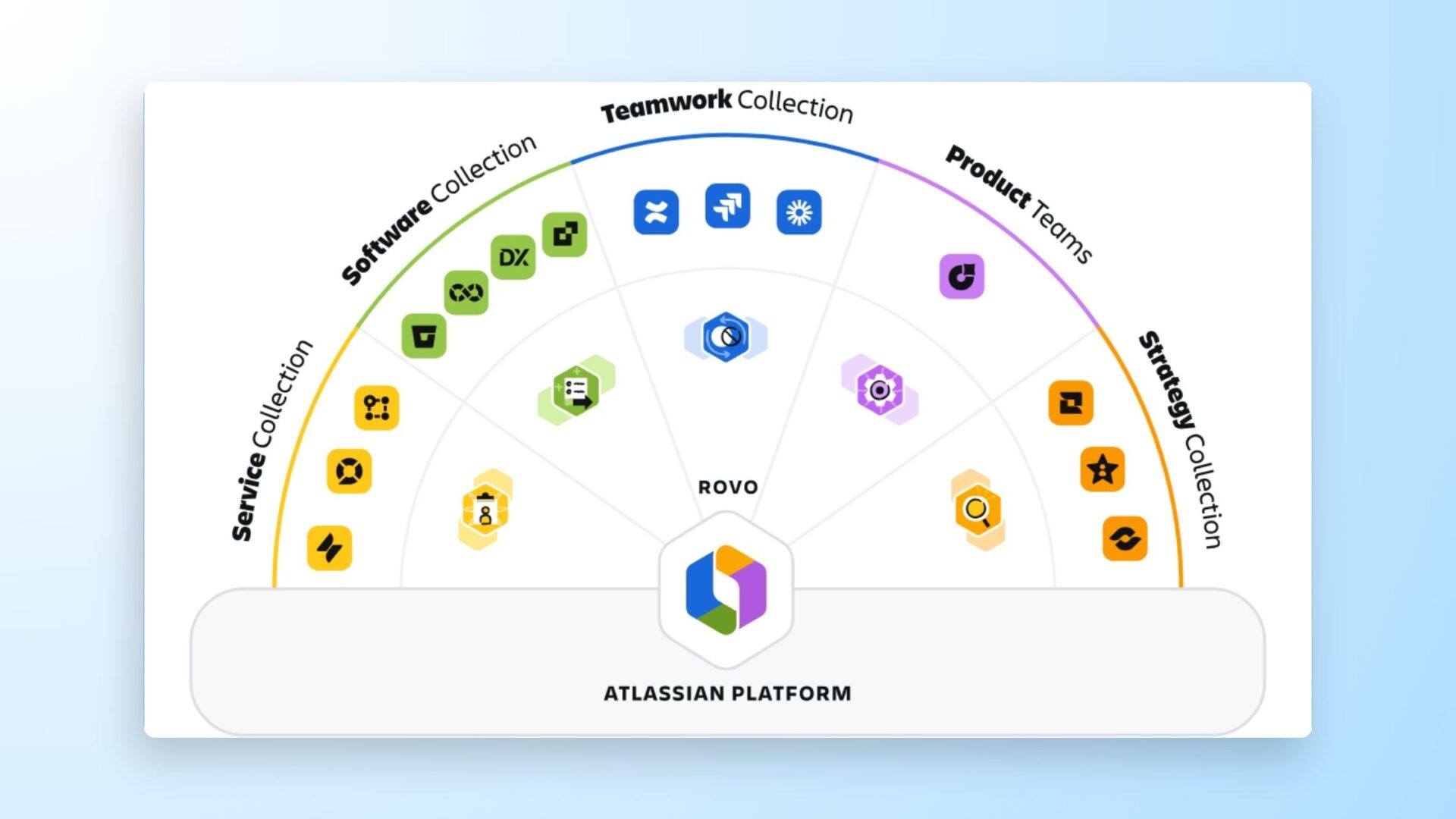
If you map those pillars onto the lifecycle, the coverage is obvious.
While Goals and Jira Product Discovery can anchor the planning phase, Confluence helps carry design and decision history. And when we use Jira to run implementation, Bitbucket and Pipelines can handle builds and deployments. Additionally, Jira Service Management owns operate-and-maintain. Jira, in particular, has become the go-to system of record for what to build, who’s doing it, how it’s going, and what shipped.
2. What’s missing in between
Atlassian covers a significant portion of the lifecycle’s needs. But as we mentioned, it’s not just about the main phases or delivering the code itself, but also everything that happens in between and is necessary for each of those phases.
Atlassian’s System of Work philosophy is based on the idea that we will bring together various sources on a single Atlassian platform, which, when combined, will provide us with an effective work environment.
Marketplace apps are the phase-specific “missing pieces” – the reporting view a regulated team needs at planning, the diagramming design depends on, and the test-management layer QA can’t ship without.
Let’s take a look at DevSamurai apps.
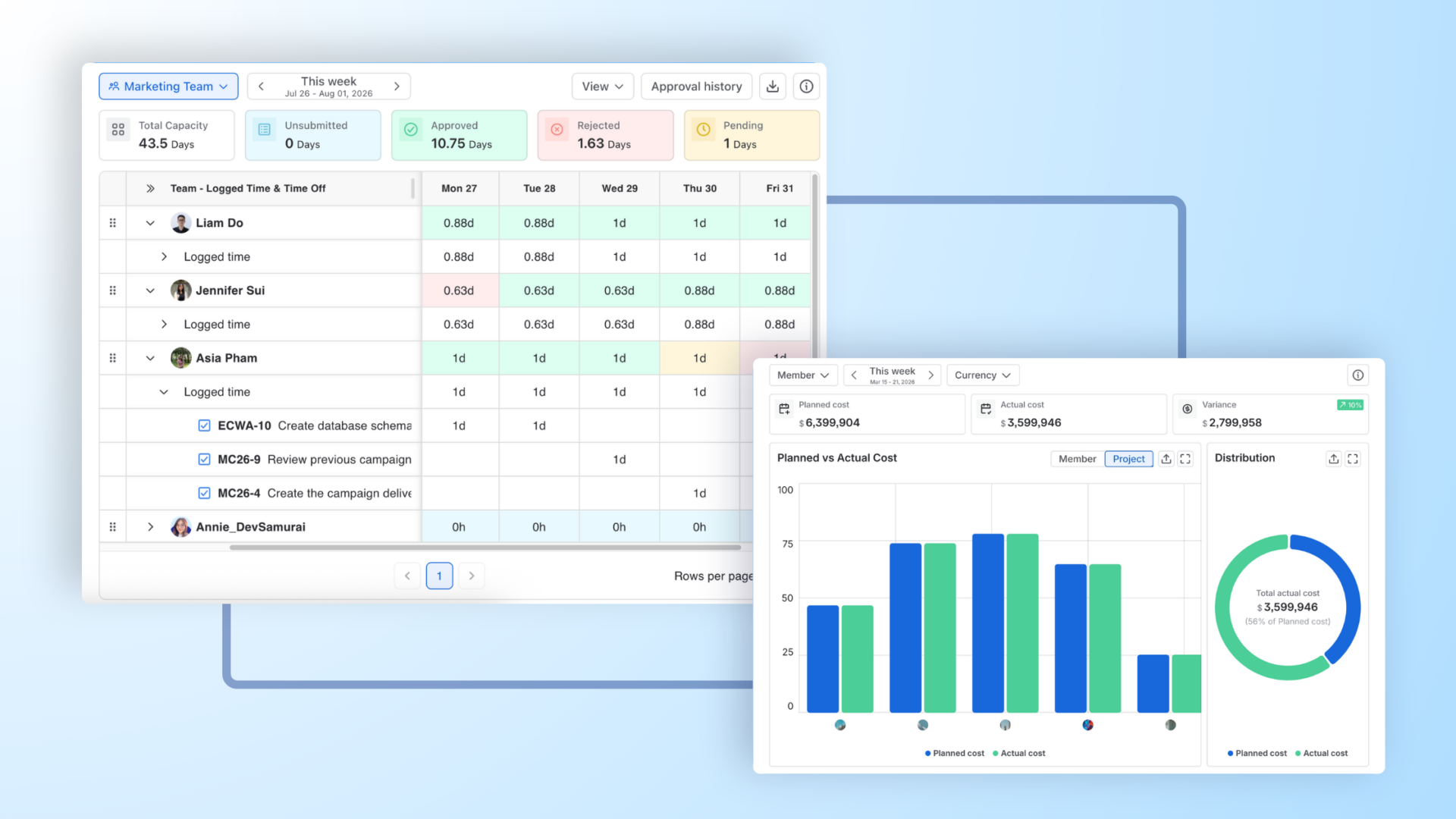
If you find planning tasks on Jira not enough, TeamBoard TimePlanner brings scheduling, capacity planning, workloads, time tracking, timesheets, leave approval workflow, and cost visibility into one connected experience.
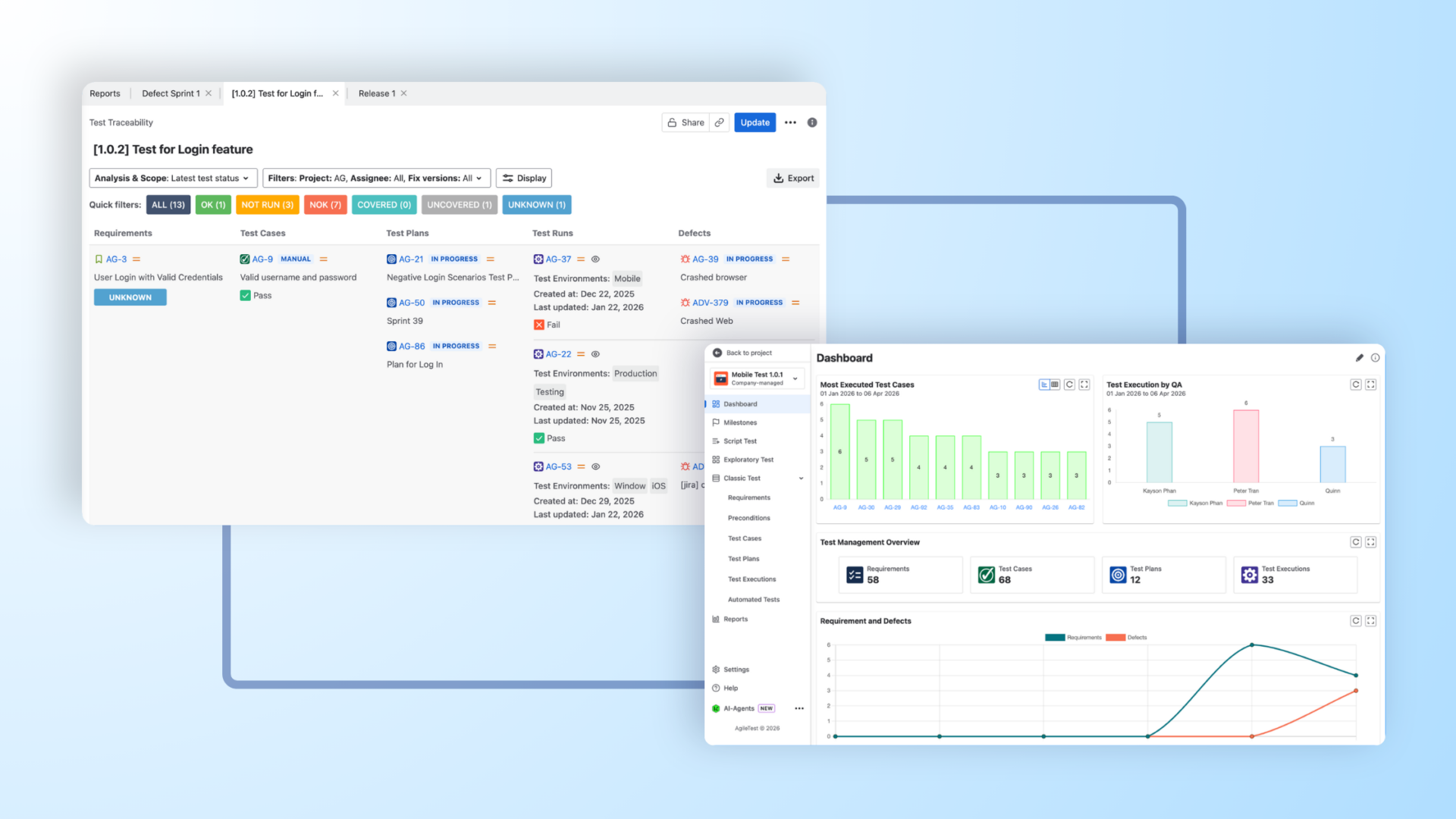
Meanwhile, most QA teams need dedicated testing structures like manual test management or exploratory sessions. AgileTest sees this gap in between and unifies different testing strategies within Jira. It helps QA teams manage testing in one place and maintain coverage and traceability between requirements, tests, executions, and defects.
Especially in the agile working environment in Jira, we work, track product backlogs, view story points, and do sprint planning. To accomplish that, team members often need planning poker to independently estimate before seeing other votes and reaching consensus on complexity and effort.
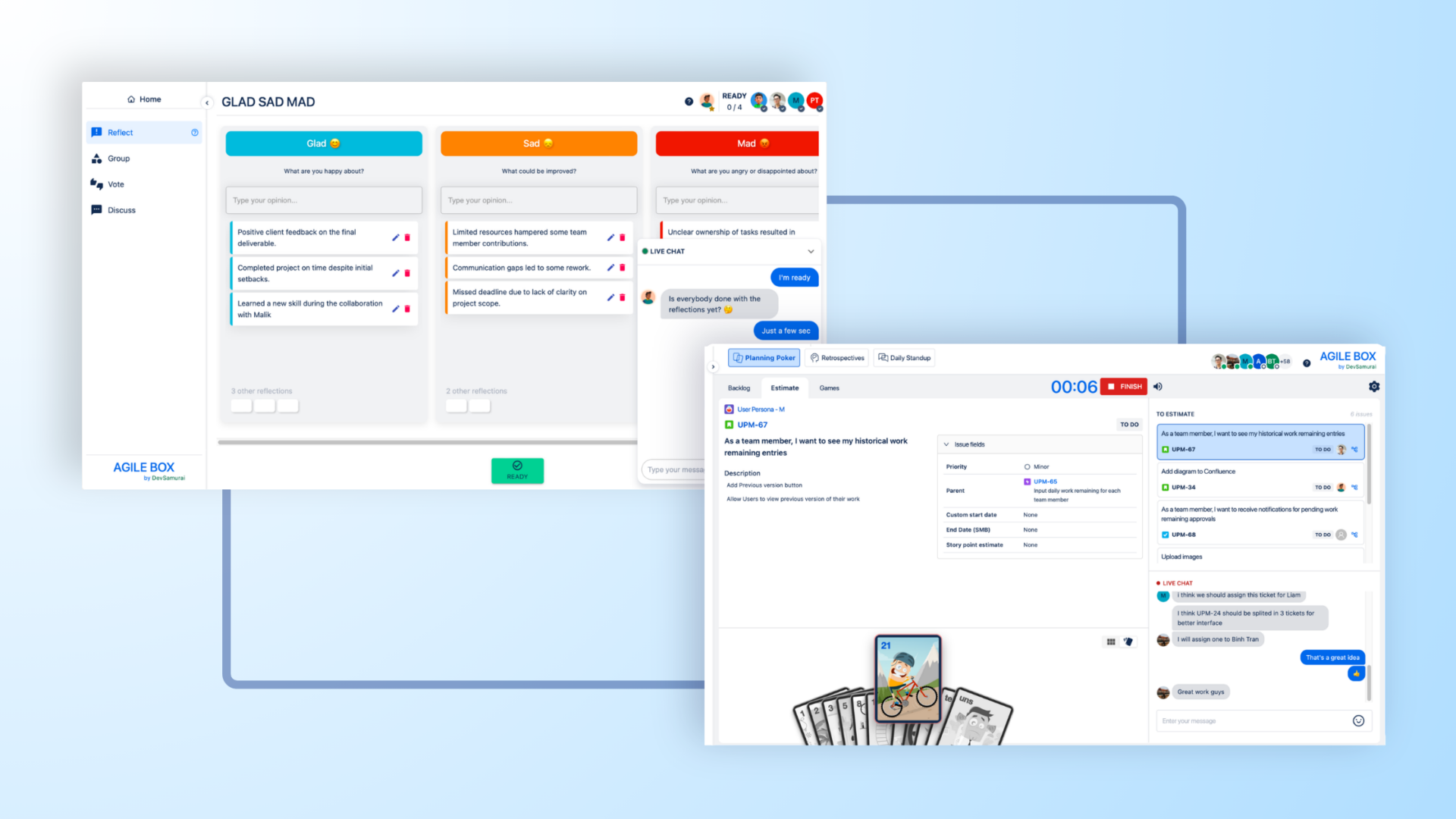
However, entering an estimate into a field is not the same as conducting a collaborative estimation session. And that’s where Marketplace apps like AgileBox come in to support retrospectives and daily stand-ups, covering the recurring team ceremonies surrounding Jira’s backlog and sprint functions.
Why Atlassian Needs Marketplace Products
Without its providers, Atlassian’s Marketplace would not be as powerful or comprehensive as it is today. The customization offered by apps (formerly plugins, then add-ons) became a competitive advantage for Jira and helped it stand out over time.
Marketplace Partners helped establish Atlassian’s market position, contributing solutions, feedback, and knowledge to the ecosystem. With thousands of apps extending Jira, Confluence, Bitbucket, and the rest, the Marketplace makes Atlassian’s core products more valuable – and harder to replace. Customers who build lifecycle workflows around Marketplace apps can customize every phase and tend to stay longer.
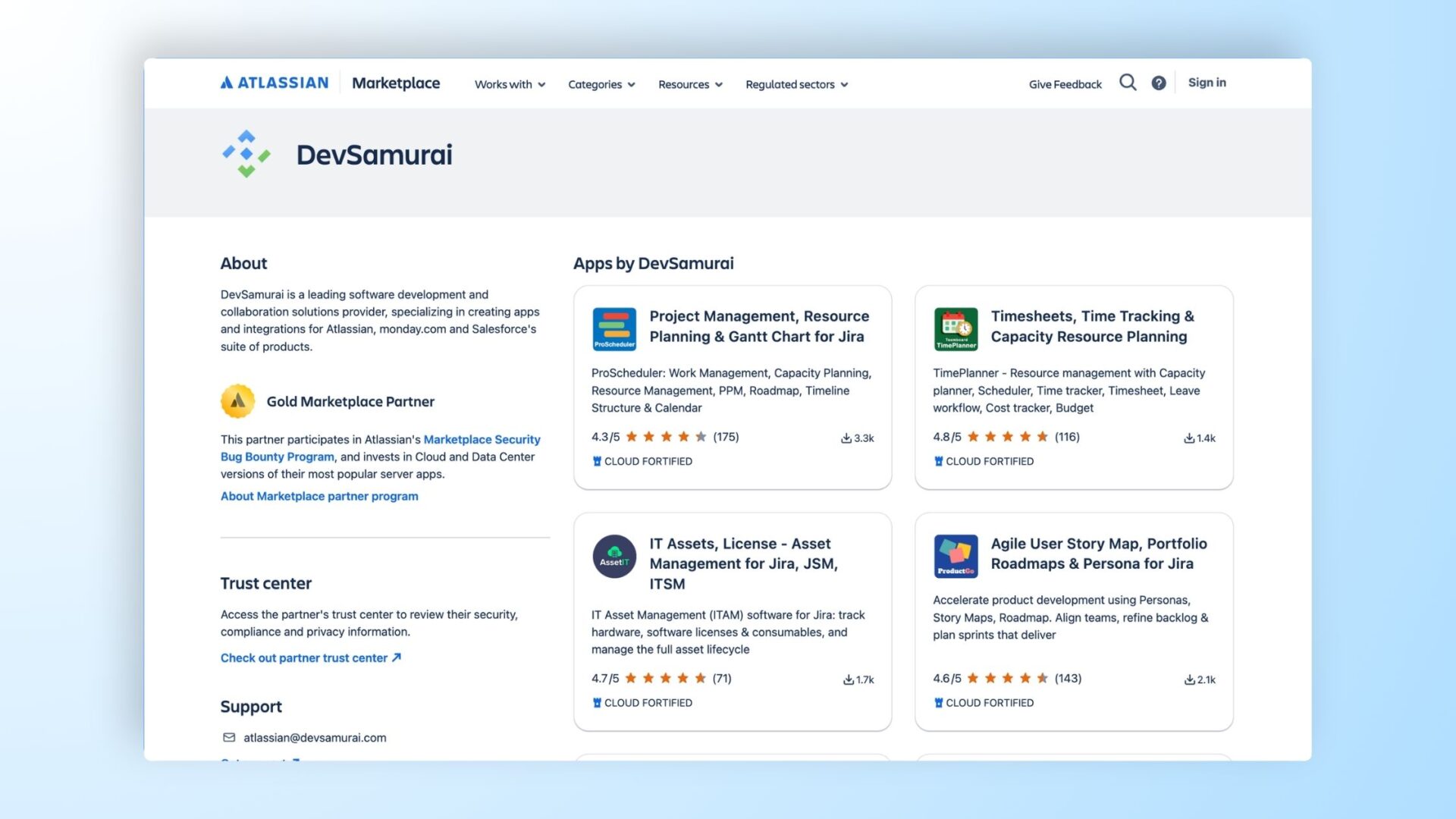
The Marketplace has evolved alongside the ecosystem: more than 10 years of history and 7,000+ apps available today, across a wide range of categories and products. Each listing shows its security level, the product and hosting it targets (Cloud or Data Center), and badges (Runs on Atlassian and Cloud Fortified) that signal it meets specific criteria.
Marketplace Fills the Need Where Atlassian Lacks
Atlassian will never fully meet every customer’s needs alone.
The two layers (Atlassian offering and Marketplace apps) do different jobs. The System of Work defines the backbone: the goals, work items, and knowledge that every team shares. On the other hand, Marketplace apps decide the shape that backbone takes for a given team, without forcing Atlassian to build a variant of Jira for every industry.
Third-party apps let Atlassian cover use cases without building everything itself, like test management, time planning, mockups and diagrams, and planning poker, that connect the SDLC to tools outside Atlassian’s walls.
Atlassian ships opinionated bundles: the Software Collection, the ITSM Collection. Those bundles assume an average process; an app is what a team reaches for the moment its real process diverges – an extra approval step, a regulatory report, an estimation ritual the default board doesn’t model. The practical answer to whether apps become obsolete is that, as long as teams need something extra for their development lifecycle, there will be a gap to fill.
In short, the Marketplace offers flexibility inside the (in theory) rigid structure of the System of Work.
Everyone Wins in the Ecosystem
AI won’t deliver value without proper data and context – it’s the most important foundation for AI ROI. In the System of Work, Rovo sits at the center, drawing on the Teamwork Graph, Atlassian’s context layer that maps work, code, people, decisions, and dependencies across the lifecycle.
Atlassian’s own July 2026 move into AI-native software development makes the point directly: teams can now assign Jira work items to coding agents like Claude Code, Cursor, or GitHub Copilot, while the Teamwork Graph packages the requirements, architecture, and decision history each agent needs.
Atlassian’s internal benchmarking found agents enriched by that context produced 44% more accurate results while using 48% fewer tokens than agents working without it. The lesson generalizes beyond agents: context, not raw capability, is the bottleneck.
That’s the big differentiator for Marketplace apps. They don’t just add functionality (a button here, a report there) – they enrich the very context that powers Atlassian’s AI.
Every app that captures test results, deployment data, or customer feedback feeds the graph, which means a well-chosen app improves both the phase it serves and the intelligence available to every other phase.
The apps that once filled functional gaps are becoming context sources for the agents now working alongside developers.
Customers get a wide range of applications rather than native features alone; Solution Partners help them select and implement the right ones for their lifecycle. At Peakforce, as Solution Partners, we recognize this need for customization and tailoring solutions to specific needs that often comes from our clients.
The whole ecosystem benefits – Atlassian, partners, and the teams shipping software.
Summary
The SDLC has always been about more than just code. Native Atlassian products cover the backbone of the lifecycle. Marketplace apps fill the phase-specific gaps that every real team runs into. Atlassian and Cloud Fortified demonstrate how closely integrated those applications are with Atlassian’s cloud and trust strategy. The shift to AI-native development increases the importance of these applications rather than reducing it.
So, will Marketplace apps become obsolete? The opposite. In a System of Work where context is the currency, and AI is a teammate, the Marketplace is how teams shape a generic lifecycle into their own.